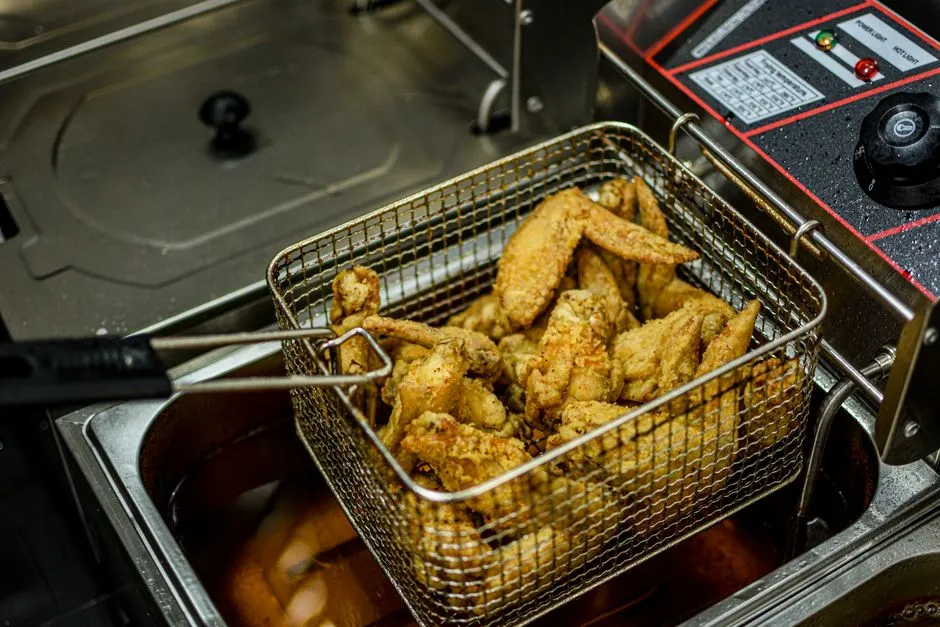
Frying Technique
Best Oil for Frying Chicken: What Actually Matters
The best oil for frying chicken is a fresh oil labeled for high-heat cooking whose flavor, allergen profile, quantity, and price fit your household.
Great fried chicken is a chain of controlled steps: safe raw-poultry handling, a seasoned soak, an attached coating, stable oil, verified doneness, and a rest that does not steam the crust into surrender. These guides use observable cues and current primary safety guidance. Hot oil receives the respect it deserves; kitchen folklore does not get a ceremonial badge.
The best oil for frying chicken is a fresh oil labeled for high-heat cooking whose flavor, allergen profile, quantity, and price fit your household.
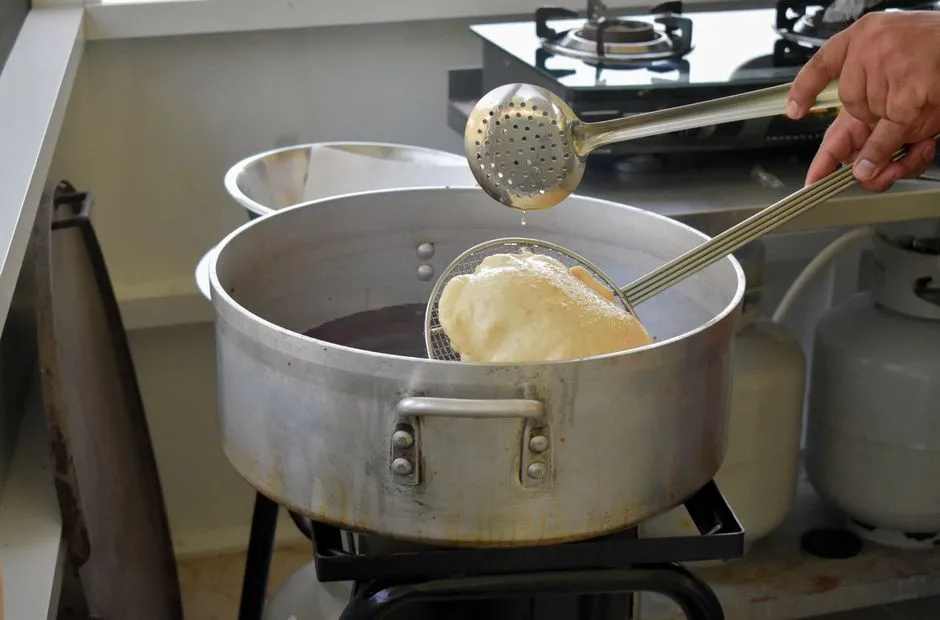
Bone-in fried chicken uses thicker, irregular pieces that usually need longer, steadier cooking and careful thermometer placement away from bone.
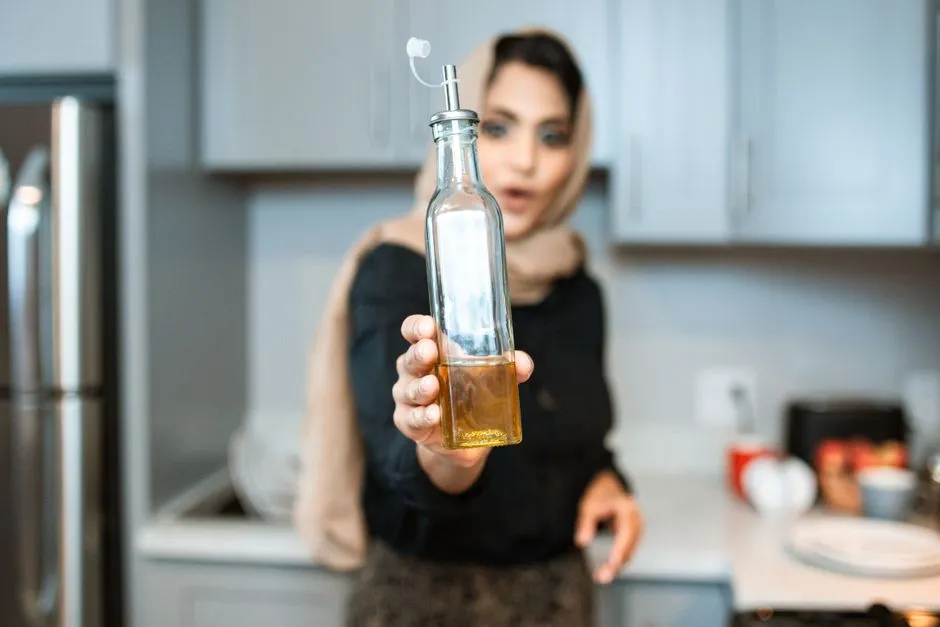
A saltwater brine gives fried chicken clean, measurable seasoning, while a seasoned buttermilk soak adds tang and leaves a surface that readily forms…
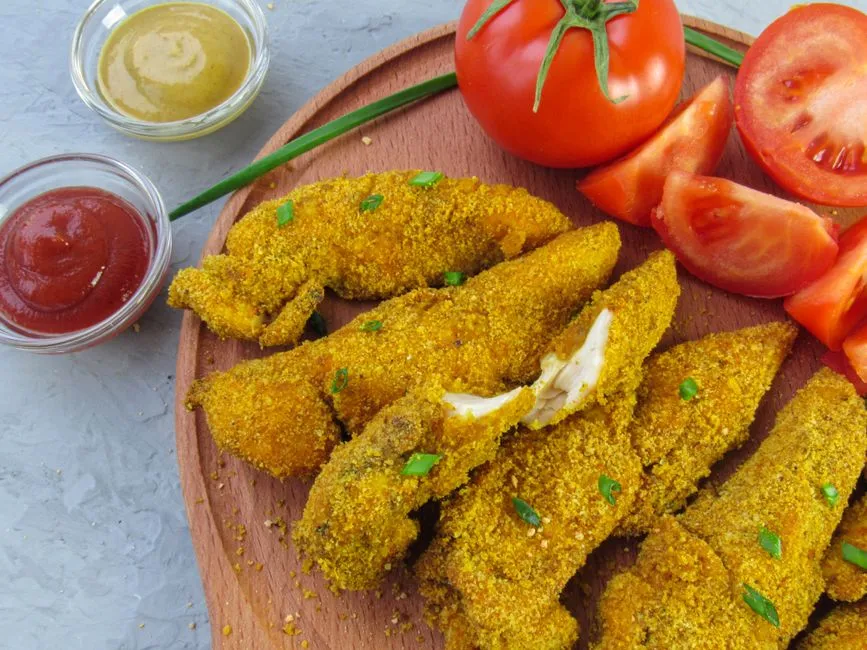
Control frying-oil temperature by preheating gradually, positioning a suitable thermometer correctly, adding similarly sized chicken in small batches, and…
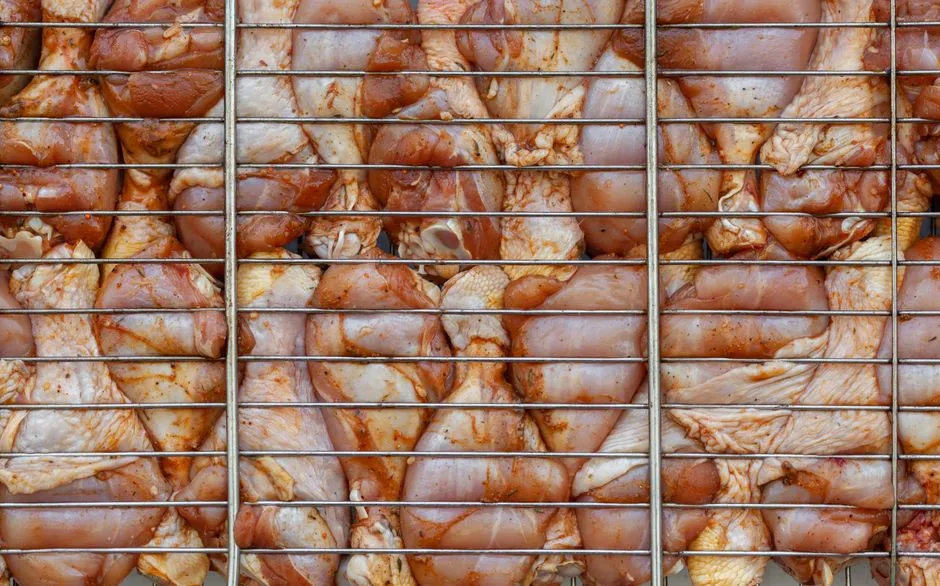
For crispy fried-chicken coating, drain heavy marinade drips so the surface is tacky rather than flooded, season the dry mix evenly, create a few hydrated…
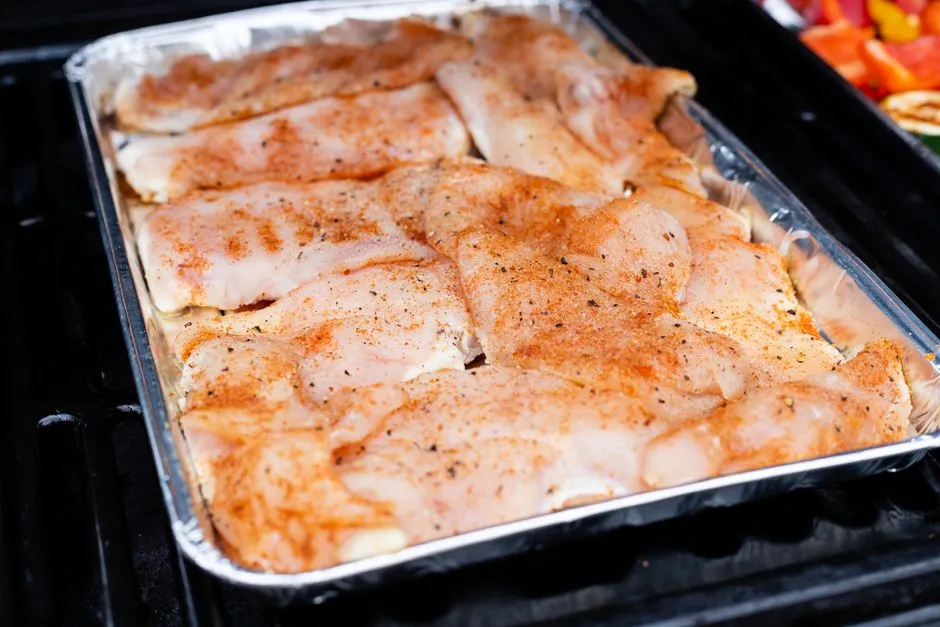
Double-fry chicken by cooking uniform pieces safely during a controlled first fry, resting them unstacked on a clean wire rack, then returning small…
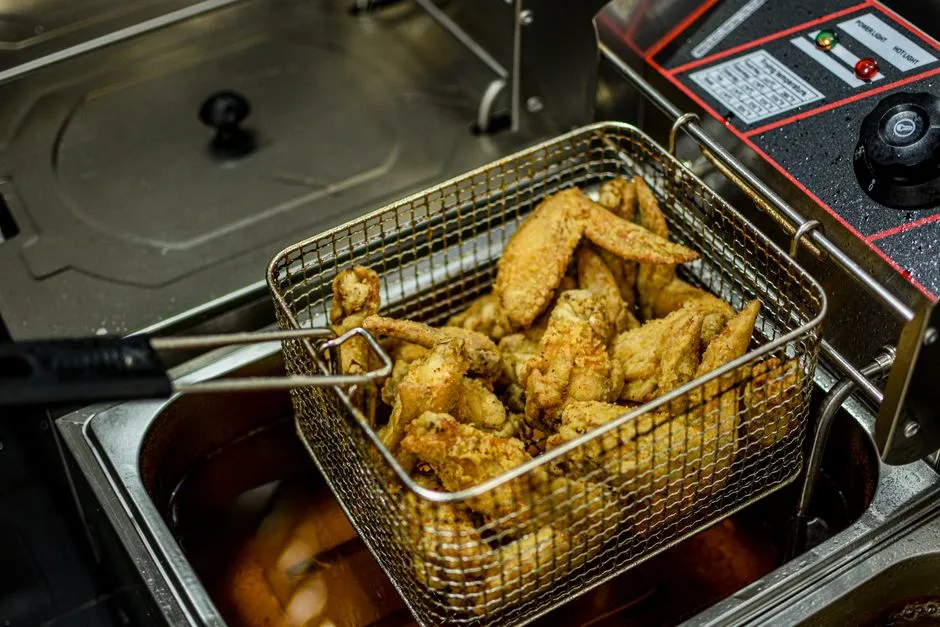
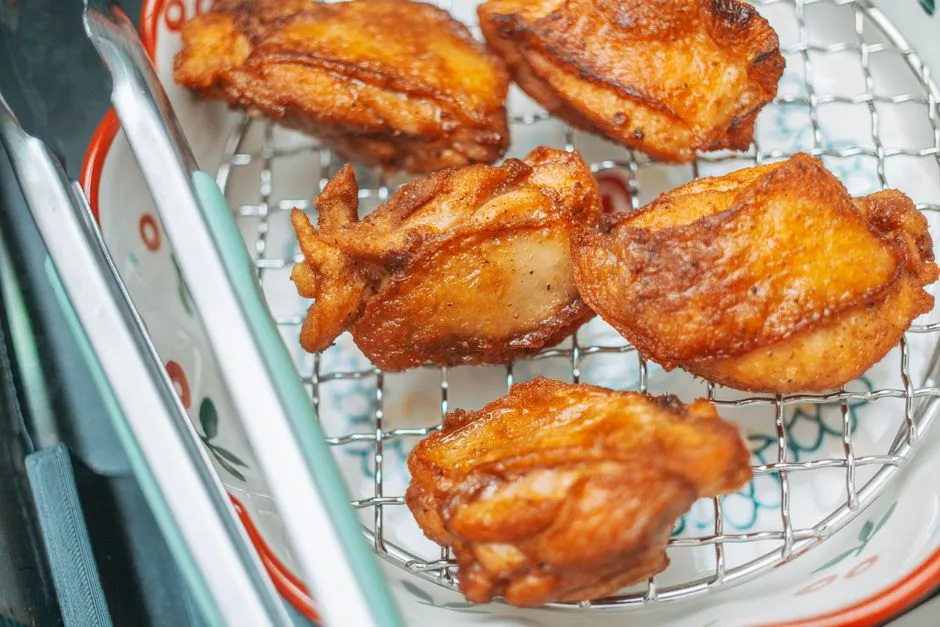
Drain fried chicken on a clean wire rack over a rimmed tray, arranged in one open layer so oil falls away and steam escapes.
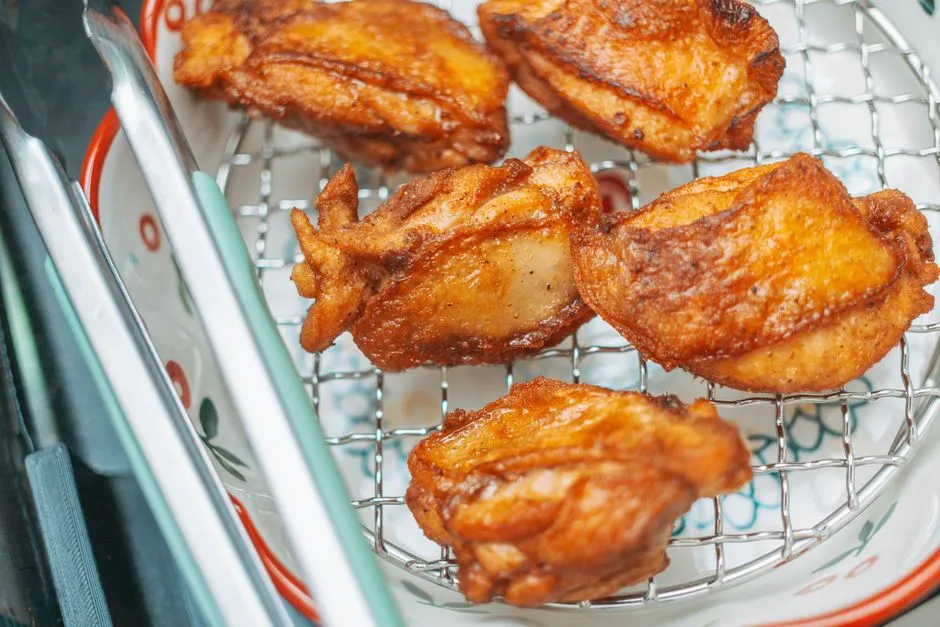
To fry chicken safely, prepare tools and a fire plan before heating oil, keep raw poultry and flour away from cooked food, control drips, add pieces…
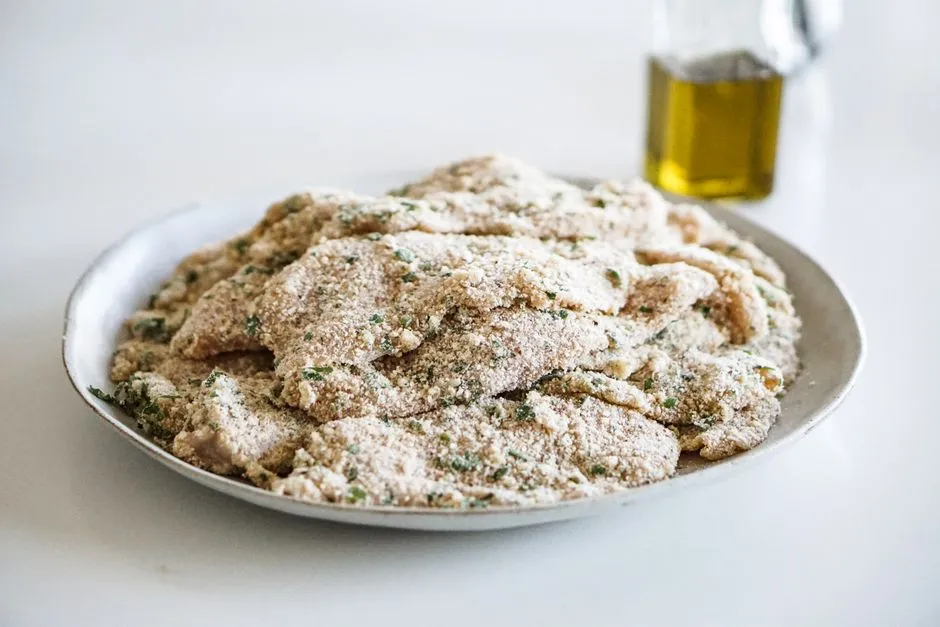
Keep breading on fried chicken by draining heavy marinade drips, pressing the dry mixture firmly into folds and edges, shaking off only loose excess, and…
Let frying oil cool completely before handling it. Discard oil that is cloudy, foams, or develops a foul odor or flavor.