Best Oil for Frying Chicken: What Actually Matters
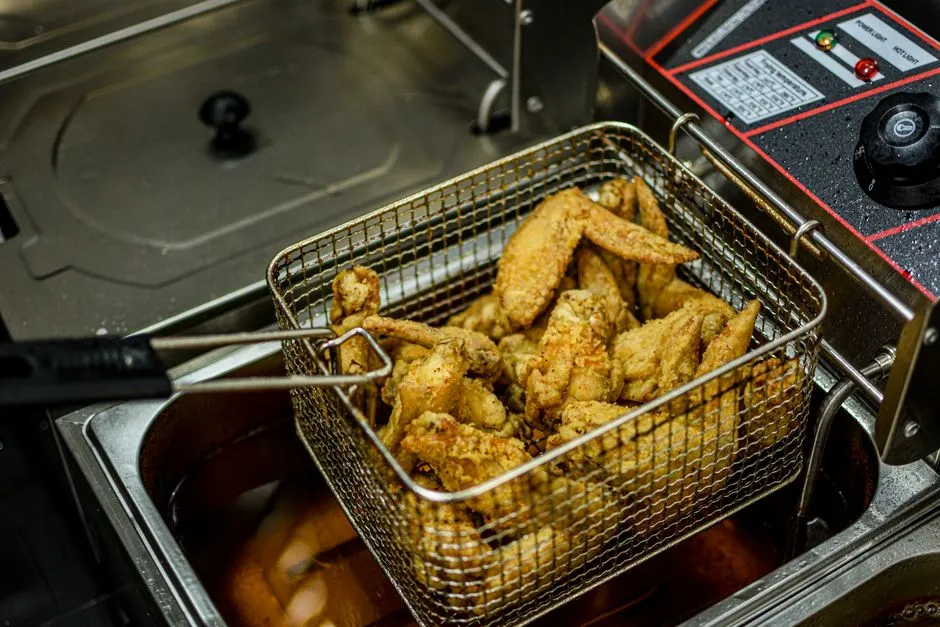
The best frying oil fits heat, flavor, and the kitchen
Choose an oil that tolerates the intended frying temperature, tastes appropriate with chicken, is available in enough quantity, and can be handled safely in your equipment. There is no sacred bottle that makes breading attach itself and the smoke alarm applaud.
Common practical choices include peanut, canola, corn, safflower, sunflower, soybean, grapeseed, and oils sold simply as vegetable oil. The USDA lists several of these as high-smoke-point options for deep frying. Product blends and refinement vary, so read the label and manufacturer guidance rather than treating one generic chart as eternal law.
Smoke point is a ceiling, not a target
Smoke indicates that oil is breaking down and may develop unpleasant flavors. Fry below the oil's stated smoke point and control the pan with a suitable thermometer. The goal is stable cooking at the recipe's temperature, not discovering how close dinner can approach combustion.
Oil temperature drops when cool food enters. Adding too much at once extends recovery, encourages greasy coating, and can increase bubbling toward the rim. The temperature-control guide shows how to size batches.
Neutral and flavorful oils behave differently
A neutral refined oil lets pepper, herbs, and chicken lead. A more distinctive oil contributes its own flavor, which may be welcome or distracting. Freshness matters: stale oil can taste dull or paint-like before heating.
Allergy needs matter too. Peanut oil is unsuitable for some households and guests. Do not make assumptions about highly refined oils or individual medical risk; disclose ingredients and use an appropriate alternative. Questions about a person's allergy belong with their qualified clinician.
Consider cost and pot volume
Deep frying requires enough oil to submerge or substantially surround food while maintaining safe headroom in the vessel. A premium finishing oil may be unnecessary for that volume. Compare the amount required by your appliance or pot and buy a sealed product you can store properly.
Never exceed an appliance fill line. In a pot, test capacity while everything is cold by consulting the recipe and equipment guidance—not by displacing hot oil with an optimistic chicken leg.
Watch how oil ages
Breading particles, seasoning, heat, air, and repeated use degrade oil. Filtered oil may be reusable when it remains clean-smelling and stable, but discard it if it becomes cloudy, foams, develops foul odor or flavor, or otherwise shows deterioration. The USDA gives storage and disposal guidance in its deep-frying safety page; our reuse-and-disposal guide turns that into a kitchen workflow.
Different foods also leave flavors behind. Oil used for strongly seasoned chicken may not suit a delicate dessert even when it remains usable. Label the container with its use and date rather than inviting a later archaeological investigation.
Use oil as part of the whole system
Good oil cannot compensate for wet chicken, loose breading, crowding, or unverified doneness. Set up with the safe frying guide, keep a fire extinguisher available, and never leave hot oil unattended.
For most home fried chicken, a fresh, refined, neutral oil labeled for high-heat cooking is the straightforward answer. Choose for your household, then control it well. The technique matters more than the bottle's ability to sound expensive.