How to Keep Breading on Fried Chicken
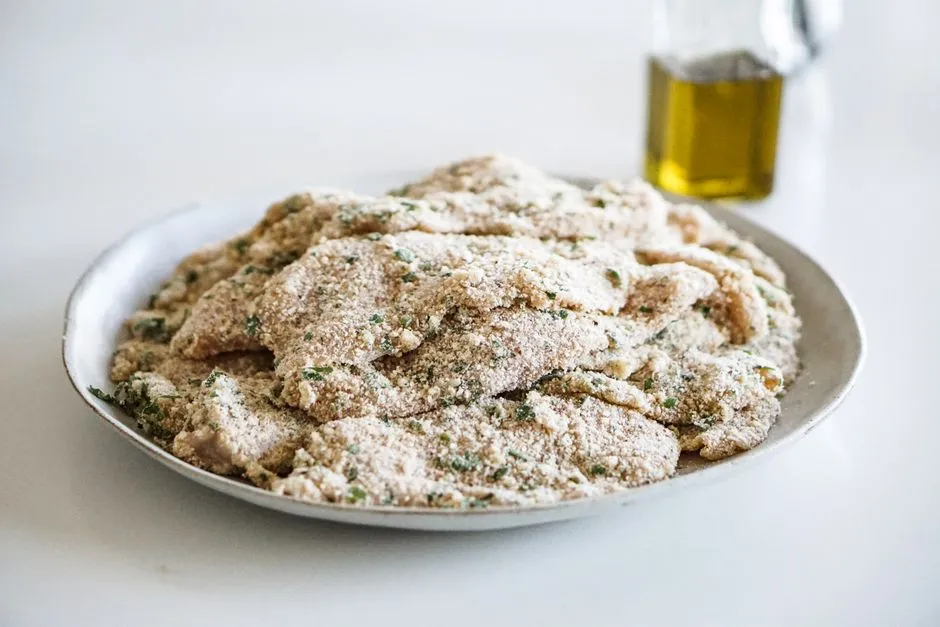
Keep breading on chicken by fixing the whole sequence
Fried-chicken breading usually falls off because the surface was too wet, the dredge never bonded, the coating did not rest, the oil was unstable, or the crust was disturbed before setting. Solve the earliest weak step instead of attempting to glue loose crust back on with positive thinking.
Drain the chicken consistently
Lift each piece from its soak and let heavy drips fall. The surface should remain moist enough to catch flour but should not carry a thick curtain of marinade. Process pieces the same way so one does not receive a delicate dusting while the next enters the fryer wearing a breaded winter coat.
If a recipe uses a dry brine, apply its specified binder evenly. Do not improvise extra egg or liquid after the dredge ratio has been tested.
Press dredge into folds and edges
Use one hand for wet chicken and one for dry flour when practical. Cover the piece completely, press rather than merely roll, and open skin folds so coating reaches the surface beneath. Lift gently and shake only the loose excess.
The crispy coating guide explains how small hydrated flour clusters add texture without turning the bowl into batter. If the dredge becomes wet and clumped from many pieces, divide it into batches at the start instead of adding clean flour to a heavily contaminated mess halfway through.
Discard used breading safely. Do not save flour that contacted raw chicken.
Give the coating a short rest
Set breaded pieces apart on a rack or tray. During a brief rest, moisture hydrates flour and the coating adheres more evenly. Look for dry bald patches and repair them before frying.
Do not leave raw breaded chicken at room temperature for an extended period. Keep the workflow moving and refrigerate if a recipe requires a longer hold.
Make the first contact gentle
Lower pieces away from your body into properly heated oil. Dropping them can splash oil and knock coating loose. Do not crowd the vessel; the oil-temperature guide explains how excess load slows recovery.
Once a piece enters, resist immediate poking. The outer layer needs time to firm. In a pot, turn only after the submerged surface has set and releases reasonably. Scraping a soft crust from the bottom is a sign to examine temperature, equipment, and timing—not to stir more enthusiastically.
Use suitable tools
Tongs should grip the chicken without repeatedly pinching through the coating. A spider or basket can support small boneless pieces. Keep tools dry before they approach hot oil, and follow the appliance manual.
When done, move chicken to a clean wire rack using clean utensils. Follow proper draining and avoid stacking. Check the thickest edible part with a food thermometer; all poultry pieces must reach 165°F (74°C).
Diagnose the pattern
If crust slides off as one shell, surface liquid or insufficient pressing is likely. If patches tear where tongs touch, tool timing and grip need work. If the underside remains behind in the pan, the crust may have been moved before setting or the temperature may have dropped.
Change one variable during the next batch and record it. Fried chicken rewards methodical cooks, which is excellent news for anyone who enjoys crunch and owns a small notebook.