How to Fry Chicken Safely at Home
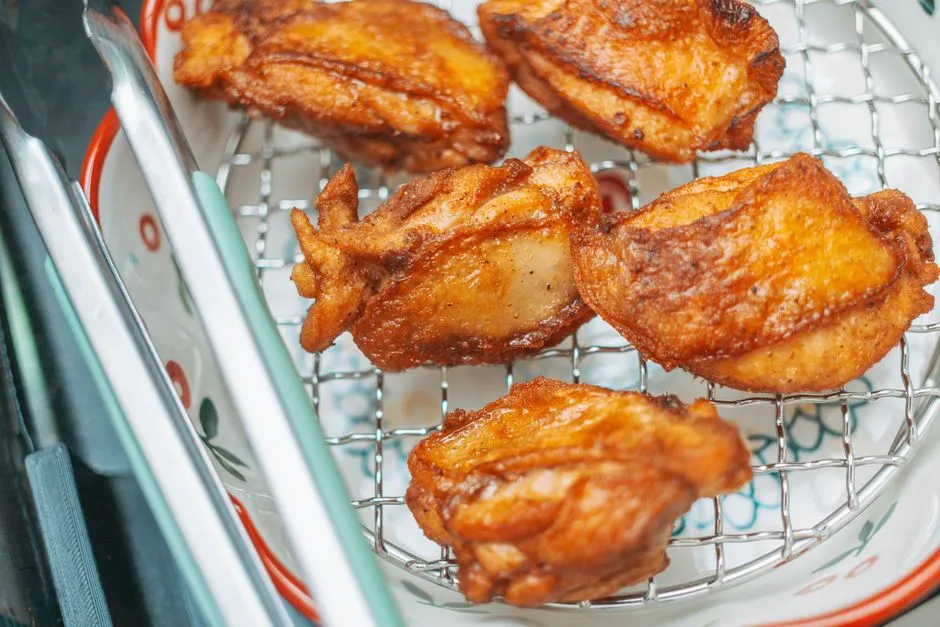
Fry chicken safely by setting up before heating oil
Deep-frying chicken combines raw poultry, flour, and very hot oil. The crisp result is delightful; improvising your fire plan halfway through is not. Clear the work area, read the appliance instructions, keep children and pets away, and prepare every tool before turning on heat.
Use a stable deep fryer or a deep, heavy pot on a suitable burner. Leave generous headroom for bubbling and food displacement. The USDA warns that hot oil can burn people and start fires, that water must never be used on a grease fire, and that a fryer should never be left unattended.
Build a clean raw-chicken station
Keep raw chicken and its utensils separate from cooked food, serving plates, and ready-to-eat sides. Do not wash raw chicken; splashing spreads contamination around the sink and nearby surfaces. Wash hands with soap and running water after handling it, then clean and sanitize appropriate work surfaces.
Flour is also a raw food. The FDA says not to taste raw flour, dough, or batter. That includes the wonderfully seasoned breading clinging to your fingers. Wonderful seasoning does not confer diplomatic immunity from bacteria.
Control moisture and oil level
Drain excess marinade and let obvious drips fall before breading. The surface may be tacky, but liquid should not stream from the chicken. Water hitting hot oil can cause violent splattering.
Add pieces gently away from your body using suitable tongs or a basket according to the appliance manual. Do not drop them. Avoid overcrowding, which can make oil rise, reduce temperature, and cook food unevenly. Our guide to frying-oil temperature explains batch recovery.
Choose an oil suited to frying and never heat it past smoking. See the frying-oil guide for practical selection.
Verify chicken with a food thermometer
Color, crust darkness, juices, and cooking time do not prove safety. USDA guidance sets a safe minimum internal temperature of 165°F (74°C) for poultry, measured with a food thermometer. Remove a piece from the oil before checking; USDA notes that measuring while food remains submerged gives an inaccurate reading.
Insert the probe into the thickest edible part without pressing against bone. Check multiple large pieces because sizes and burner conditions vary. If a piece is below 165°F (74°C), return it carefully to the oil and continue cooking. Keep raw-contact tongs and plates away from finished chicken, or wash them properly before reuse.
Plan for a grease fire
Keep the correct kitchen fire extinguisher accessible and know how to use it. A fitted metal lid may help cover a small pot fire only if it can be done without reaching through flames. Turn off heat when safely possible, evacuate, and call emergency services. Never carry a burning pot and never add water.
If you are not confident about the equipment, fire response, or stability of the cooking area, choose the oven-fried method instead. Dinner is allowed to have boundaries.
Finish and cool deliberately
Move cooked chicken to a clean wire rack over a tray, keeping the hot pan stable. Let oil cool completely before straining, storing, or discarding it. Do not pour used oil down the drain.
USDA guidance says to refrigerate fried-food leftovers within two hours, or within one hour when the surrounding temperature is above 90°F (32°C). Label and chill them promptly rather than leaving a platter out for an extended evening encore.