Cornmeal-Crusted Fried Chicken With Extra Crunch
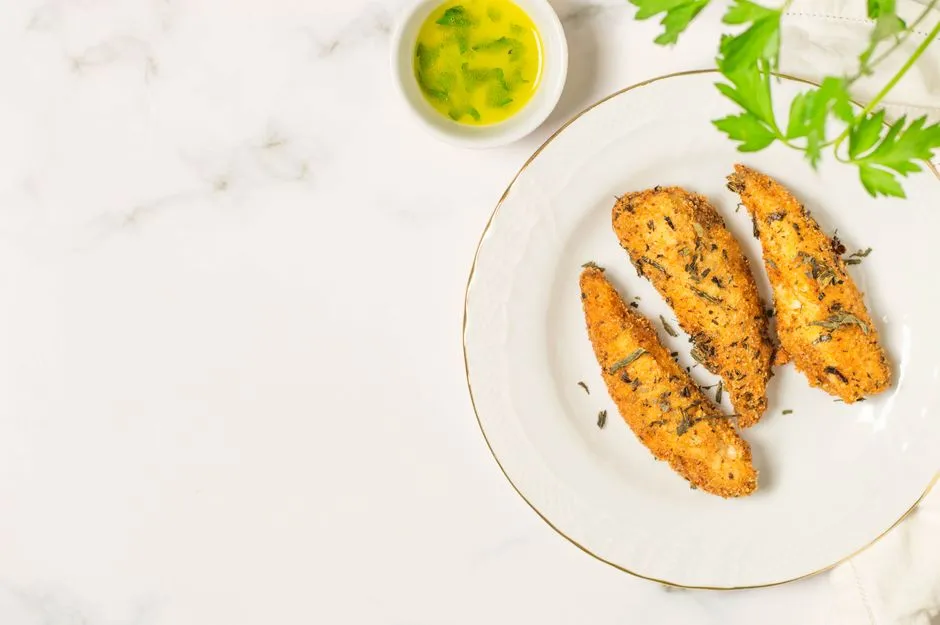
Cornmeal-crusted chicken with coarse, audible crunch
Cornmeal adds a granular texture that differs from a flaky all-flour crust. Too much can shed or feel sandy, so this recipe uses one part fine cornmeal to four parts flour by weight. It makes eight boneless thigh portions and serves four.
Ingredients
For the chicken:
- 900 g (2 lb) boneless, skinless chicken thighs, cut evenly
- 350 g (1 1/2 cups) buttermilk
- 14 g fine salt
- 3 g smoked paprika
- 2 g black pepper
For the coating:
- 240 g (2 cups) all-purpose flour
- 60 g (about 1/3 cup) fine yellow cornmeal
- 30 g cornstarch
- 8 g fine salt
- 4 g sweet paprika
- 3 g garlic powder
- 2 g onion powder
- 2 g black pepper
For frying:
- Neutral high-heat oil as required by safe equipment limits
Use fine, not coarse polenta-style, cornmeal for this tested ratio.
Marinate and contain
Whisk buttermilk, salt, smoked paprika, and pepper. Add chicken, cover, and refrigerate at 40°F (4°C) or below for 4 to 8 hours. Keep it protected from leaks and ready-to-eat food.
Discard raw marinade after breading. Wash hands and properly clean utensils and surfaces.
Make the cornmeal coating
Whisk flour, cornmeal, cornstarch, salt, paprika, garlic, onion, and pepper thoroughly so dense cornmeal does not settle in one region. Divide the dredge into two bowls if the chicken will be coated in multiple rounds; this limits the wet clumps that accumulate.
Let heavy buttermilk drip from each piece, then press the chicken firmly into coating. Pay attention to cut edges. Shake gently and rest pieces apart for 10 minutes. See breading attachment if the coating cracks before frying.
Discard all dredge that contacted chicken. Flour and cornmeal are raw, and the bowl also contains raw-poultry contamination.
Fry to crisp and safe
Preheat oil to 350°F (177°C), staying below smoke. Add a small batch and manage temperature around 330–350°F (166–177°C). Cornmeal browns visibly, so keep crumbs from accumulating and do not crowd the vessel.
Turn only after the crust sets. Remove a thick piece to a clean rack and insert a clean thermometer into the center from the side. Every portion must reach at least 165°F (74°C). Return under-temperature pieces and recheck.
Let oil recover between batches. For the structure behind this formula, read crispy coating.
Drain and pair
Rest chicken in one layer on a clean wire rack. The coarse crust softens quickly if stacked or covered. Season only with a clean blend reserved before breading.
Serve with cooling cabbage slaw or a sharp pickle. The acidity and fresh crunch balance cornmeal's toasted flavor.
For a first variation, replace up to 15 g of the fine cornmeal with the same weight of flour for a slightly less coarse crust. Do not swap in a cup-for-cup volume of coarse meal; particle size and weight change attachment.
Refrigerate leftovers promptly under current USDA guidance and reheat with airflow. The crust will announce itself when you bite it, which saves everyone from needing a formal introduction.
Test texture after five minutes
Cornmeal crust can feel exceptionally crisp straight from oil, then reveal whether it truly attached during the rack rest. Break one safely cooked test portion after five minutes. The shell should stay connected when cut, with no raw flour paste beneath it.
If the crust is sandy, use finer meal or reduce cornmeal by the stated 15 g on the next batch. If it is hard, check whether excess wet mixture created a thick layer. Change only one variable so the result actually teaches you something.