Rice Flour Fried Chicken With a Light Crisp Crust
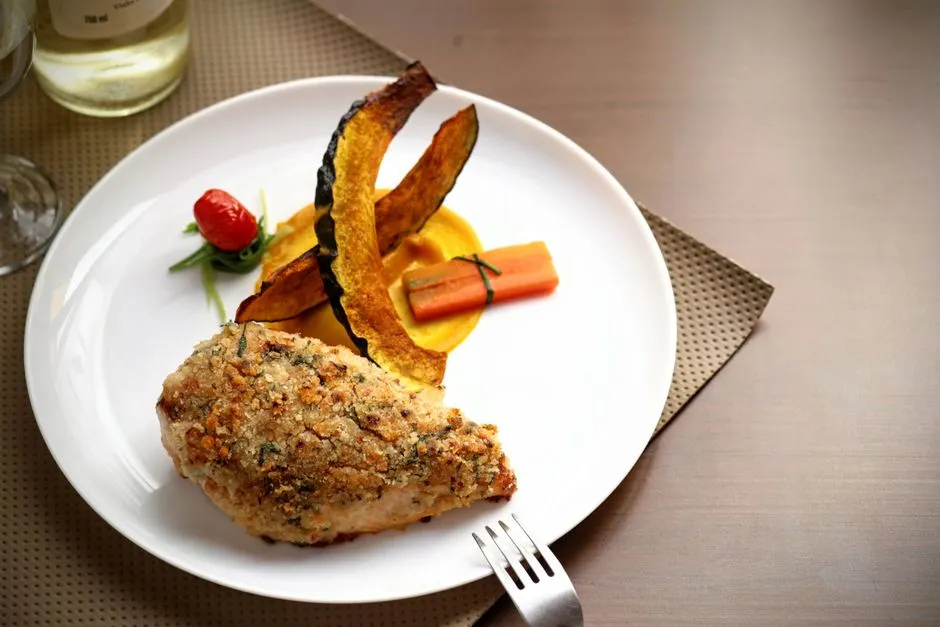
Rice flour makes a light, brittle fried-chicken shell
This recipe combines rice flour with cornstarch for a thin crisp coating around boneless thighs. It contains no wheat ingredients as written, but “gluten-free” service requires verified ingredient labels and cross-contact controls throughout the kitchen. A recipe cannot certify an environment by optimism.
Ingredients
For the chicken:
- 900 g (2 lb) boneless, skinless chicken thighs, cut into 8 even portions
- 350 g plain cultured buttermilk
- 14 g fine salt
- 3 g sweet paprika
- 2 g garlic powder
For the coating:
- 220 g white rice flour
- 80 g cornstarch
- 8 g fine salt
- 4 g sweet paprika
- 3 g garlic powder
- 2 g onion powder
- 2 g black pepper
For frying:
- Neutral high-heat oil with verified suitability for the diners and kitchen
Check every ingredient and surface
If cooking for someone who must avoid gluten, verify current labels on buttermilk, spices, starch, rice flour, and oil. Use clean equipment and a fryer that has not held wheat-breaded food unless the person's safety plan says otherwise. Shared oil carries crumbs and cross-contact.
Individual allergy or celiac-disease questions belong with a qualified clinician. When you cannot provide the required control, say so clearly.
Marinate under refrigeration
Whisk buttermilk, salt, paprika, and garlic powder. Add chicken, cover, and refrigerate at 40°F (4°C) or below for 4 to 8 hours. Prevent leaks and keep ready-to-eat food separate.
Discard marinade after breading. Do not taste it or the raw coating.
Mix and apply the coating
Whisk rice flour, cornstarch, salt, paprika, garlic, onion, and pepper until completely even. Rice flour can settle, so stir again midway through breading with a clean dry tool before it contacts more chicken.
Lift each piece, let heavy drips fall, and press into coating. Turn and cover every cut edge. Shake lightly and rest on a tray for 8 to 10 minutes. The coating should look hydrated in patches but not pasty.
The general crisp-coating guide explains the wet-to-dry balance. Discard all contaminated coating after use.
Fry in modest batches
Preheat oil to 350°F (177°C), below smoke. Add pieces gently and keep oil around 330–350°F (166–177°C). Rice-flour coating can color more lightly than wheat coating; do not wait for a familiar dark shade before checking the center.
Remove a thick portion to a clean rack and measure from the side with a clean food thermometer. Every piece must reach at least 165°F (74°C). Return under-temperature chicken carefully, allow oil to recover, and continue.
Use temperature control and keep the fryer attended throughout.
Drain and serve
Place cooked chicken in one layer on a clean wire rack. The brittle coating stays crisp best when uncovered and served promptly. Add only a verified, clean finishing seasoning reserved before raw chicken contact.
For a fully wheat-free meal, serve with a side whose ingredients and preparation area were checked just as carefully. Refrigerate leftovers promptly and reheat to a safe temperature.
Rice flour does not behave exactly like wheat flour, and that is the point: less chewy structure, more delicate snap. Handle the crust gently and let it be its own excellent, slightly fragile self.
Mix fresh coating for each full batch
Rice flour and cornstarch settle at different rates, while wet clumps accumulate as chicken is dredged. For a doubled recipe, divide the dry mixture into two clean bowls before raw poultry enters the station. Use the second bowl only when needed and discard every portion that contacts chicken.
Do not save an apparently dry remainder. Raw flour and raw-poultry contact are not made safe by looking tidy.