Classic Pepper Fried Chicken: An Original Recipe
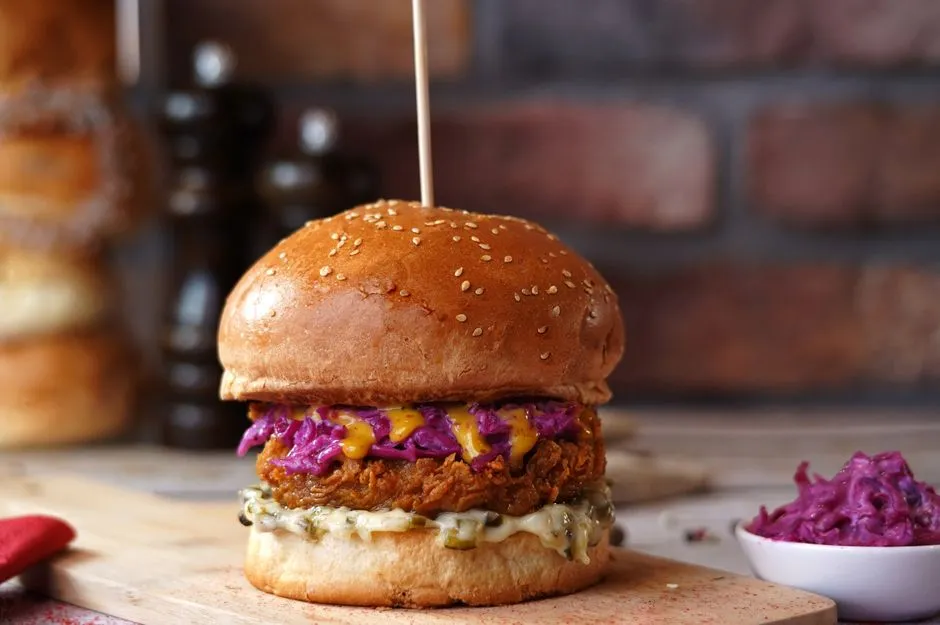
Classic pepper fried chicken with a craggy crust
This recipe uses black pepper in the buttermilk, flour, and clean finishing blend. It makes about eight bone-in pieces, serving four. Read the safe frying guide before heating oil, and keep an appropriate kitchen fire extinguisher accessible.
Ingredients
For the chicken:
- 1.5 kg (3.3 lb) mixed bone-in chicken pieces, sorted by size
- 500 g (2 cups) cultured buttermilk
- 18 g fine salt
- 8 g coarsely ground black pepper
- 4 g sweet paprika
- 2 g garlic powder
For the dredge:
- 300 g (2 1/2 cups) all-purpose flour
- 45 g (about 1/3 cup) cornstarch
- 10 g fine salt
- 10 g coarsely ground black pepper
- 4 g sweet paprika
- 3 g garlic powder
- 2 g onion powder
For frying and finishing:
- Neutral high-heat oil, quantity required by your fryer or safe pot setup
- 2 g fine salt mixed with 2 g black pepper, reserved in a clean bowl
Volume conversions are approximate; weights produce the most repeatable seasoning.
Marinate cold
Whisk buttermilk, salt, pepper, paprika, and garlic powder in a food-safe container. Add chicken and turn to coat. Cover and refrigerate at 40°F (4°C) or below for 8 to 12 hours. Keep the container where leaks cannot reach ready-to-eat food.
Do not taste the marinade. When ready to bread, discard it after use and clean raw-poultry equipment appropriately.
Build the coating
Whisk every dredge ingredient in a wide bowl. Before raw chicken enters the station, set the finishing salt and pepper aside with cooked-food tools.
Drizzle 3 tablespoons of the seasoned buttermilk from the chicken container into the flour and rub with fingertips to form small irregular clusters. Handle the mixture as contaminated from this point onward.
Lift one piece, let heavy drips fall, press it firmly into dredge, and cover folds and edges. Shake away only loose excess. Place pieces apart on a tray and rest 10 minutes. Discard remaining dredge; flour and marinade that touched raw chicken are not reusable.
Fry in matched batches
Preheat oil to 340°F (171°C), remaining below the oil's smoke point and following appliance limits. Add similarly sized pieces gently without crowding. Adjust heat to keep oil near 325–340°F (163–171°C) as it recovers.
Turn as needed after the crust sets. Cooking time varies by piece and equipment, so use it only as an observation, never the safety decision. Remove a large piece to a clean rack and insert a clean food thermometer into the thickest edible meat without touching bone. Every piece must reach at least 165°F (74°C). Return under-temperature pieces carefully and recheck.
Let oil recover before the next batch. Never leave it unattended or add water.
Drain and season
Arrange cooked chicken in one layer on a clean wire rack over a tray. Sprinkle lightly with the reserved finishing blend while hot. Rest 5 to 10 minutes before eating; bone-in pieces retain considerable heat.
Serve promptly. Refrigerate leftovers within two hours, or within one hour when the surrounding temperature exceeds 90°F (32°C), following USDA guidance. For a brighter plate, add cooling cabbage slaw.
The pepper should arrive in layers, not as one dusty ambush. If testing changes, adjust only one component and keep the total salt visible on paper. Fried chicken enjoys confidence, but it respects accounting.
Keep a batch note
Record piece sizes, loaded oil temperature, recovery range, and which portions finished first. On the next cook, sort the platter using that evidence. A thirty-second note is far more useful than remembering only that dinner was crunchy and everyone became temporarily unavailable for comment.